Florence’s film-festival season brings together France Odeon, Festival dei Popoli, Lo Schermo dell’Arte, Florence Queer Festival, River to River and an Irish film celebration. Each festival has its own programme and dates.
Dates
–
Location: Firenze
Loading map…
Make this event part of a Florence trip
Coming for 50 days of cinema in Florence? Give yourself time for Florence too. Plan a stay around the event, or add a day or two to a trip you already have in mind.
What else would you like to see?
Choose a few places that appeal to you, whether you stay for the event or make a longer trip of it.
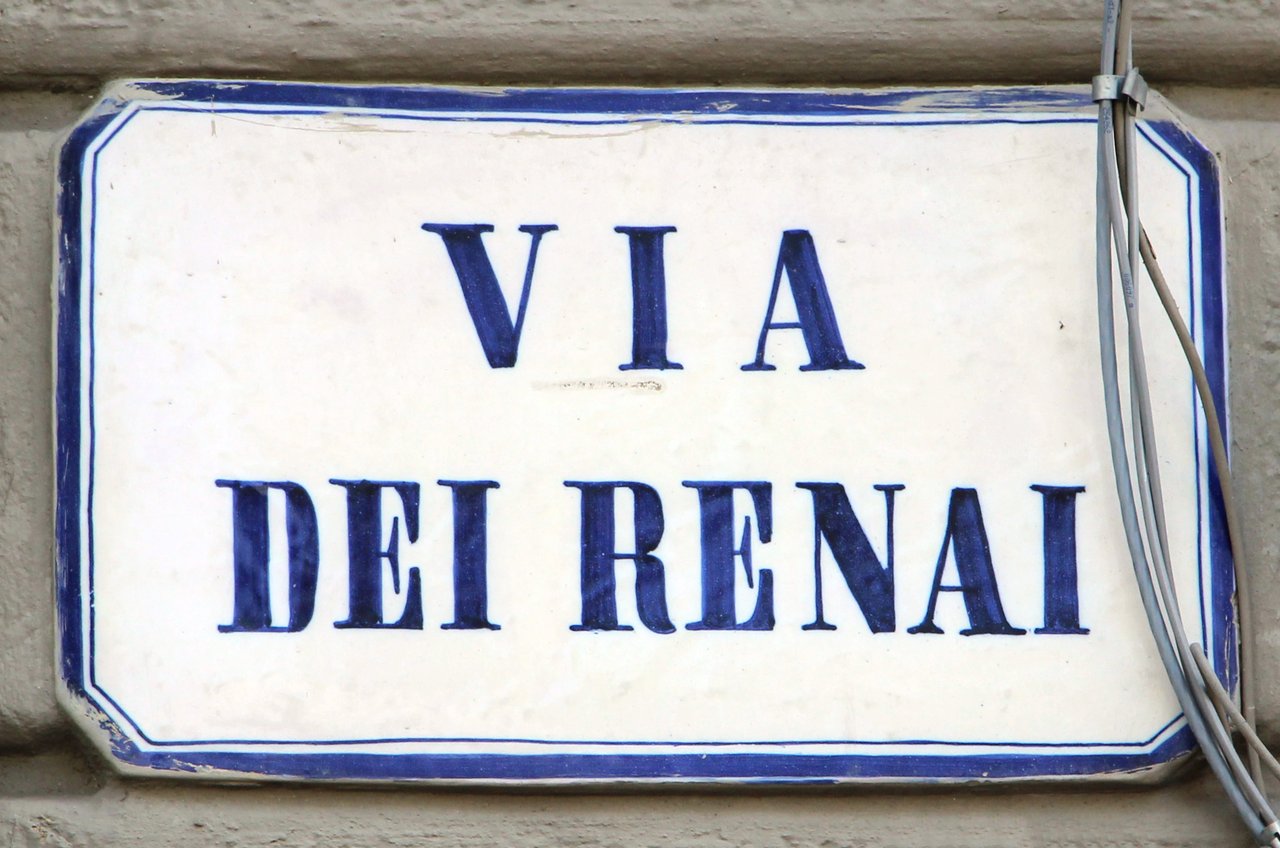
The name Via dei Renai reveals that this was once a deposit of sand left by the River Arno. Before Giuseppe Poggi redesigned the riverside embankments, the whole area, including present-day Piazza Poggi, was called Piazza delle Molina because of the mills along the Arno.
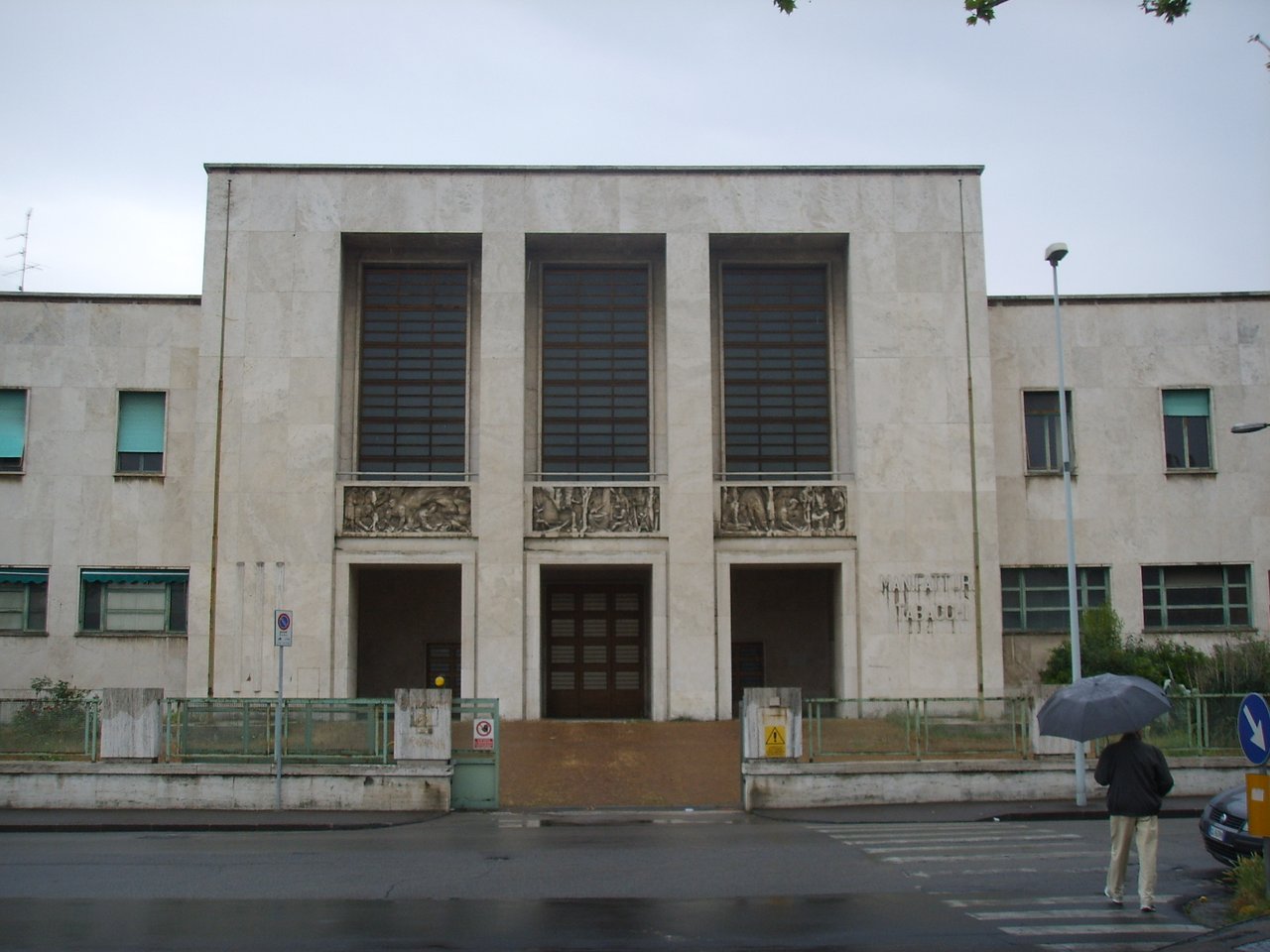
Manifattura Tabacchi is a former industrial site covering 100,000 square metres close to Florence’s historic centre. Its 16 buildings are elegantly arranged into a variety of squares, streets and passages. Built in the 1930s by engineer Pier Luigi Nervi, it is one of the most significant expressions of Italian Rationalism. Until its closure in 2001, it produced cigars and cigarettes.
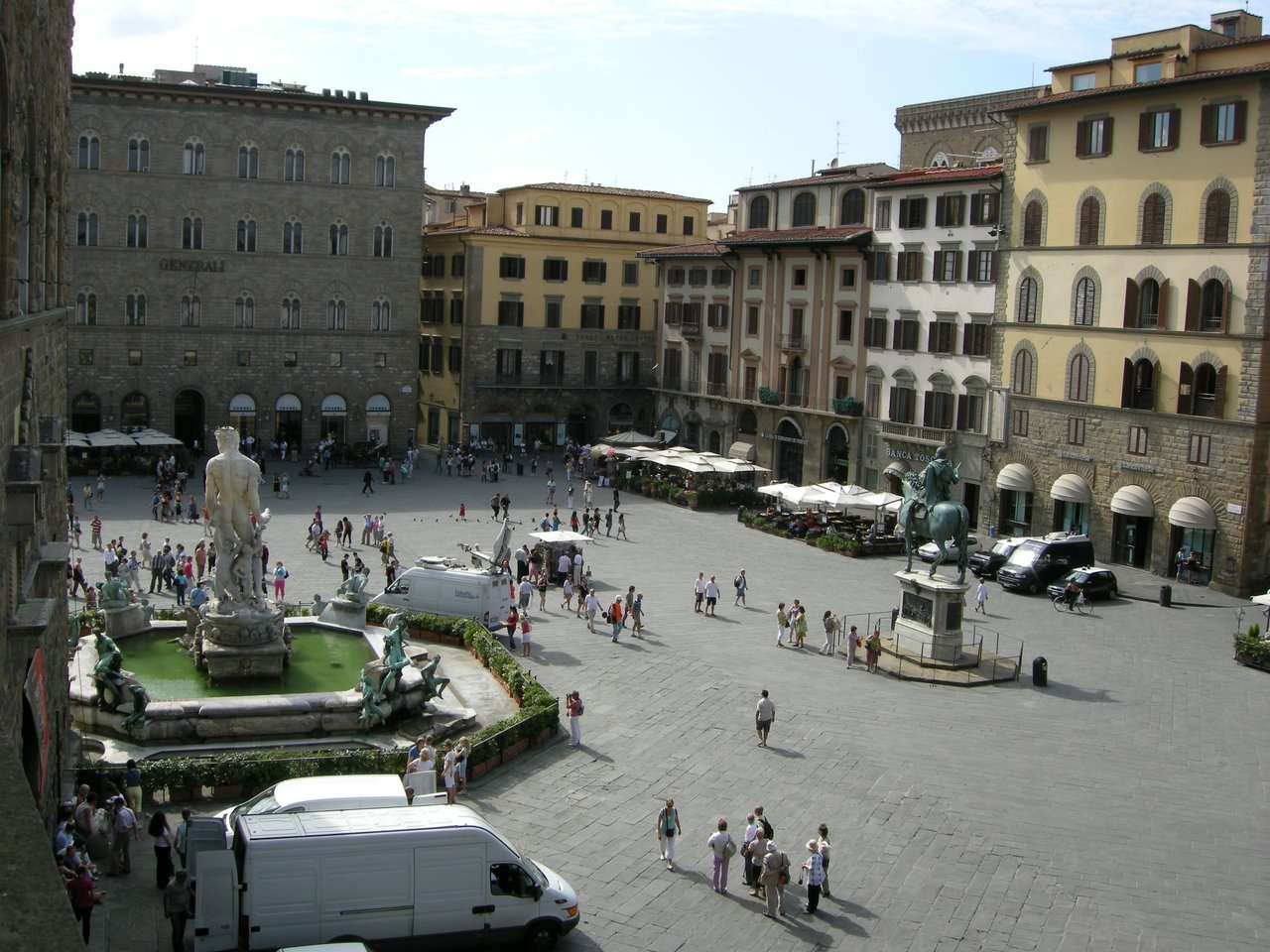
Piazza della Signoria took shape in the thirteenth and fourteenth centuries with the construction of the Palazzo dei Priori, renamed Palazzo Vecchio in the sixteenth century. It immediately became the city’s political centre and a space for civic life. The symbolic building, still home to Florence’s municipal government, offers several museum routes: the monumental apartments, the archaeological area with the remains of the Roman theatre, and the Tower of Arnolfo with its splendid panorama.
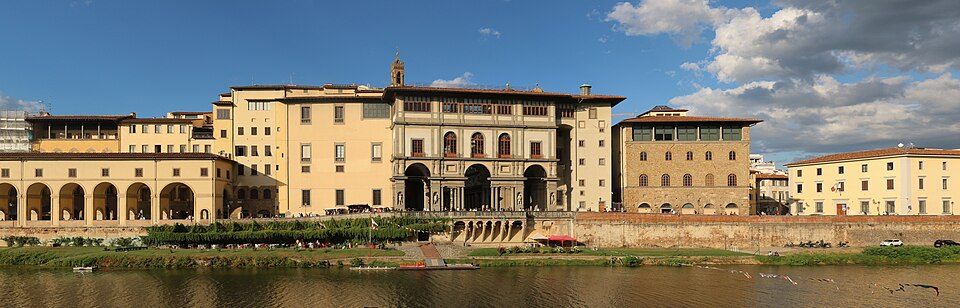
The Uffizi Gallery is one of the world’s most important museums, with an immense artistic heritage. An eighteenth-century reorganisation made it primarily a painting museum, with thousands of works from the thirteenth to eighteenth centuries. Other collections—arms, scientific instruments, archaeological finds and ancient and modern bronzes—were transferred elsewhere to establish new museums.