La Fierucola — small producers and traditional crafts
Small organic farms and traditional craftspeople meet at La Fierucola, with November and December markets in Piazza del Carmine and Piazza Santo Spirito.
Dates
–
Location: Firenze
Loading map…
Make this event part of a Florence trip
Coming for La Fierucola — small producers and traditional crafts? Give yourself time for Florence too. Plan a stay around the event, or add a day or two to a trip you already have in mind.
What else would you like to see?
Choose a few places that appeal to you, whether you stay for the event or make a longer trip of it.
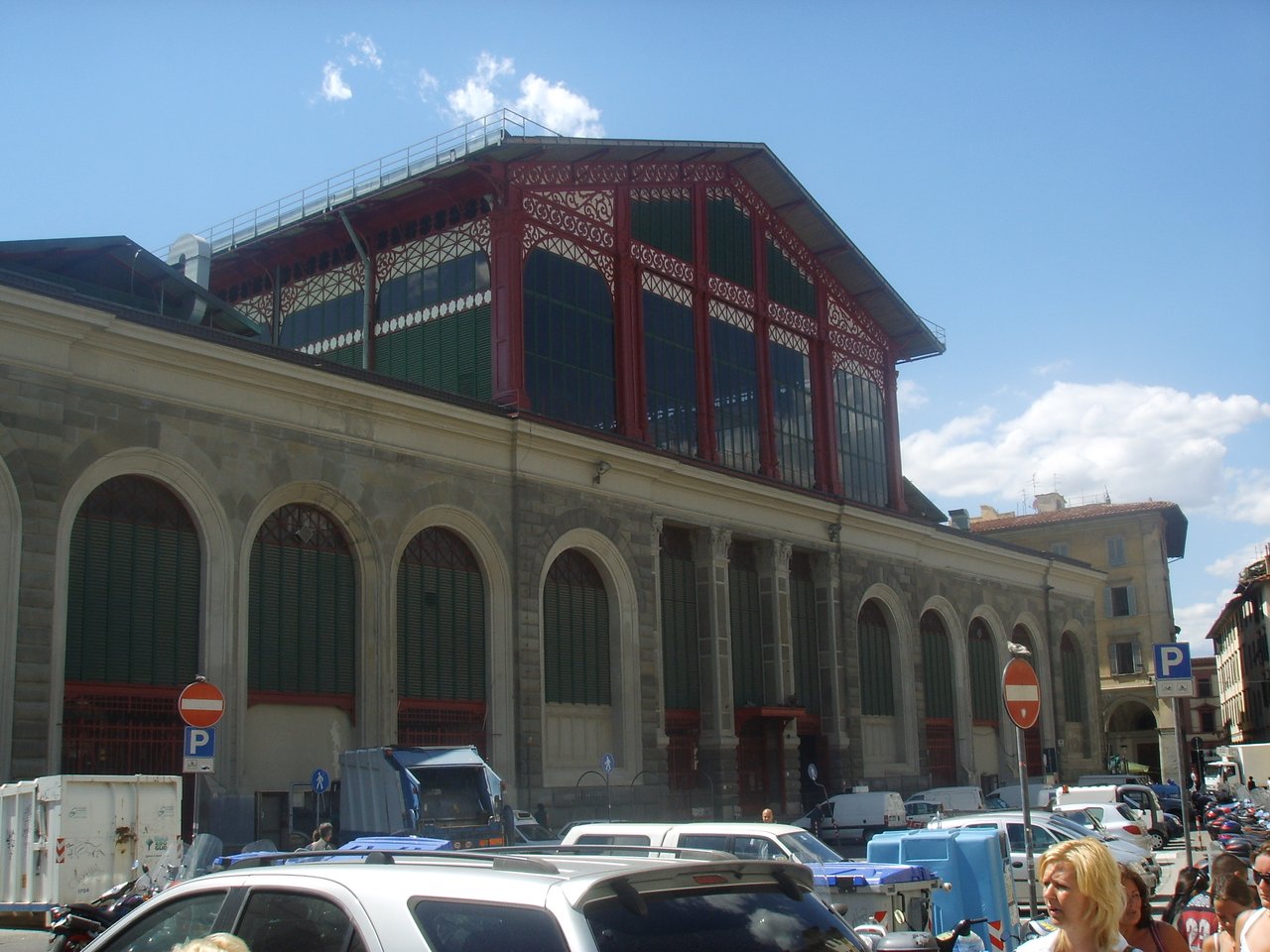
The San Lorenzo Market, also known as the Mercato Centrale, stands in the square of the same name a short distance from the famous basilica. It is also popular with tourists seeking food and wine experiences.
The ground floor brings together sellers of fruit, vegetables, meat, fish and bread, with opportunities to eat on the spot.
Upstairs, the Mercato Centrale gathers delicatessen shops and restaurants with different specialities in a space open all day until midnight.
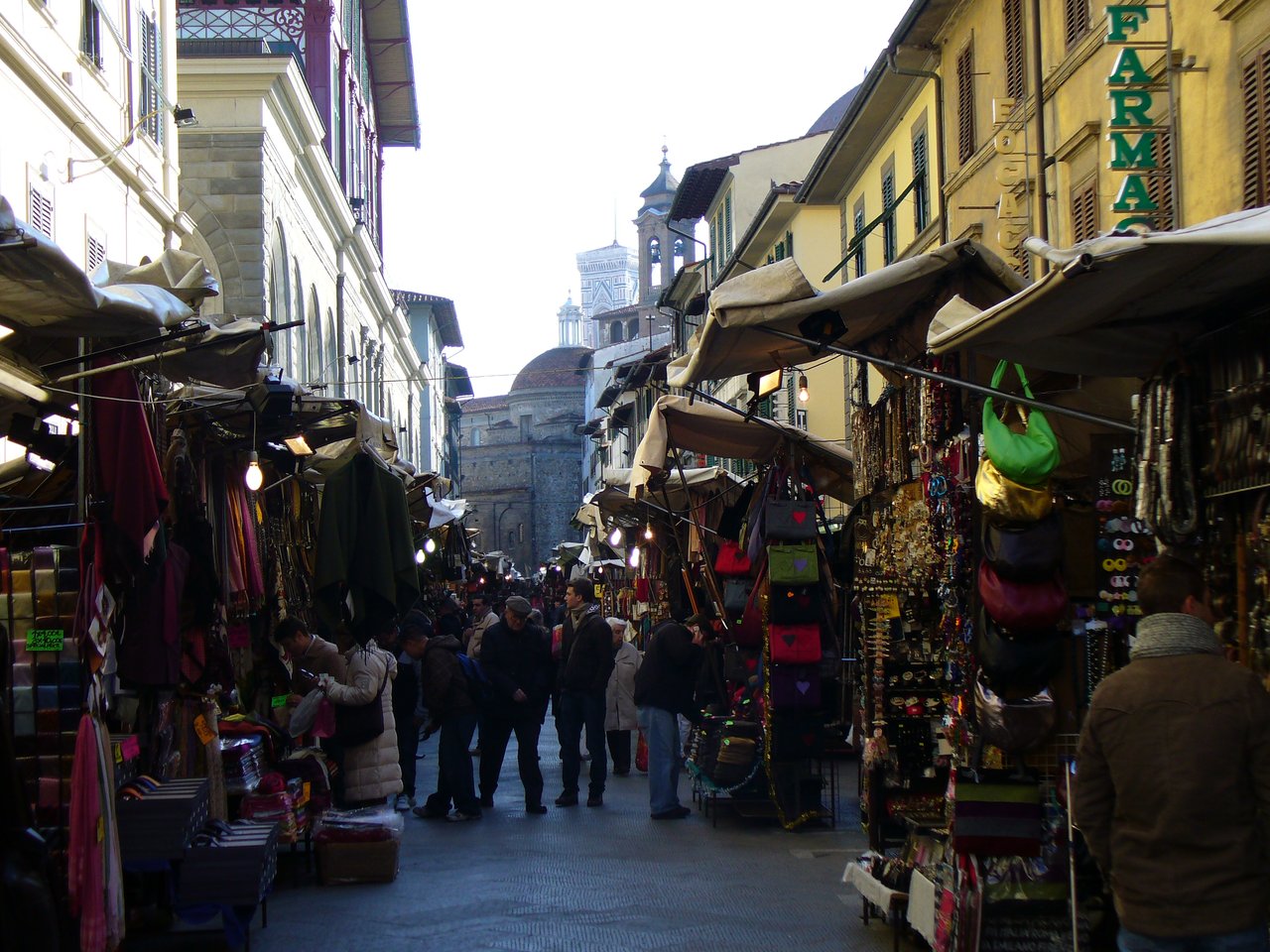
In the heart of Florence, this open-air market sells clothing, leather accessories and souvenirs. Popular with tourists, it stretches along Via dell’Ariento and the streets beside the large rectangular building of the Mercato Centrale.
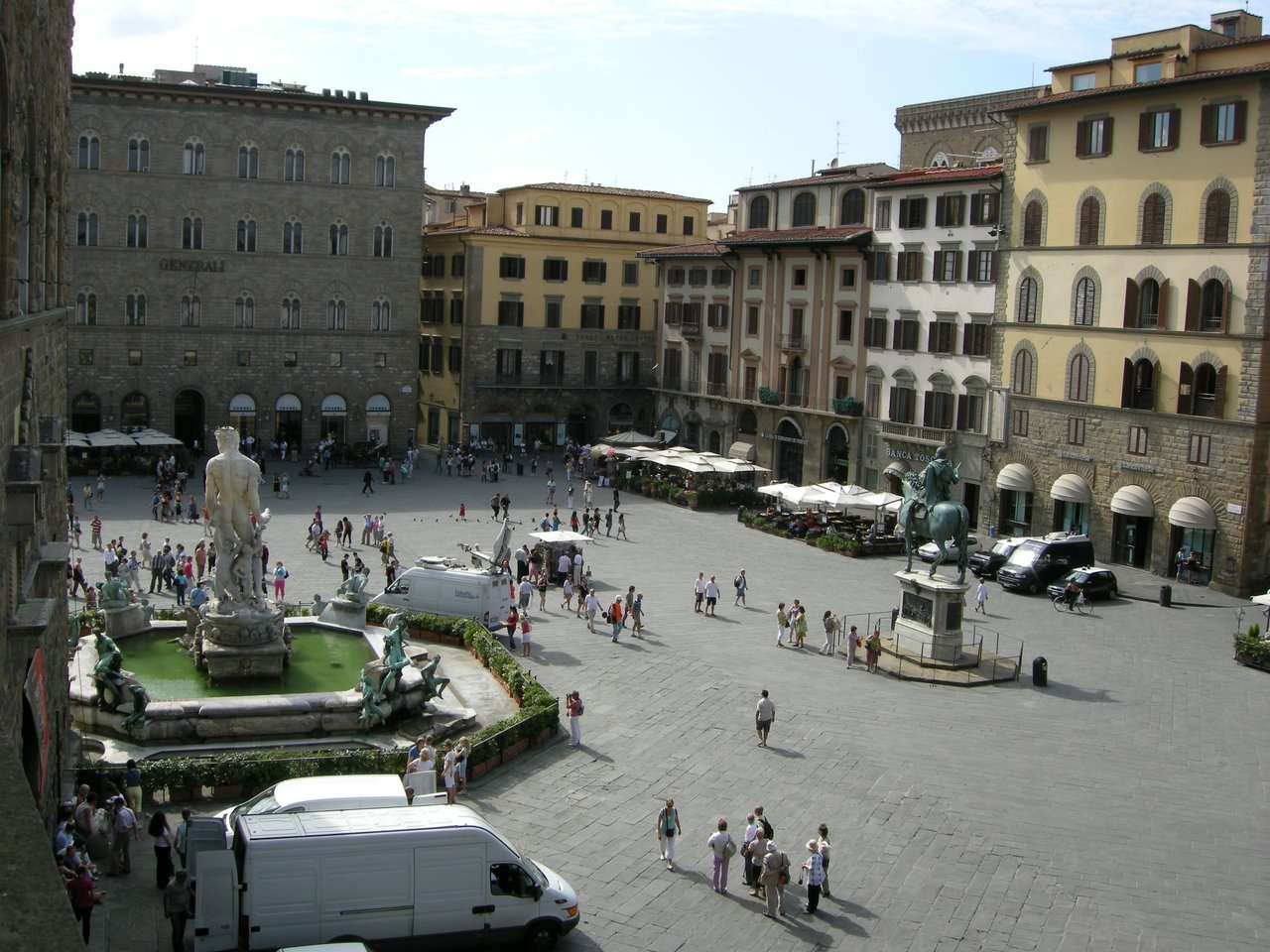
Piazza della Signoria took shape in the thirteenth and fourteenth centuries with the construction of the Palazzo dei Priori, renamed Palazzo Vecchio in the sixteenth century. It immediately became the city’s political centre and a space for civic life. The symbolic building, still home to Florence’s municipal government, offers several museum routes: the monumental apartments, the archaeological area with the remains of the Roman theatre, and the Tower of Arnolfo with its splendid panorama.
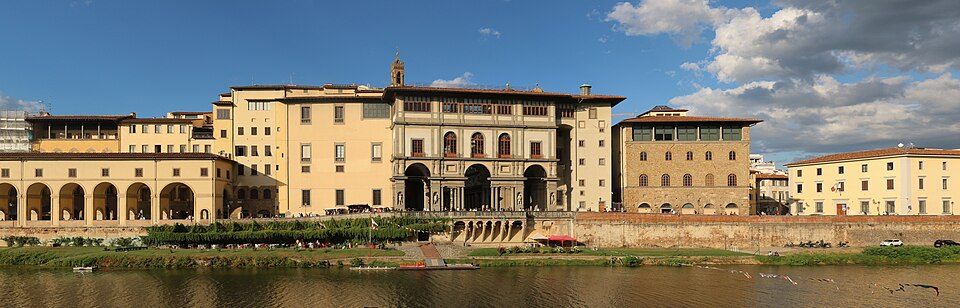
The Uffizi Gallery is one of the world’s most important museums, with an immense artistic heritage. An eighteenth-century reorganisation made it primarily a painting museum, with thousands of works from the thirteenth to eighteenth centuries. Other collections—arms, scientific instruments, archaeological finds and ancient and modern bronzes—were transferred elsewhere to establish new museums.