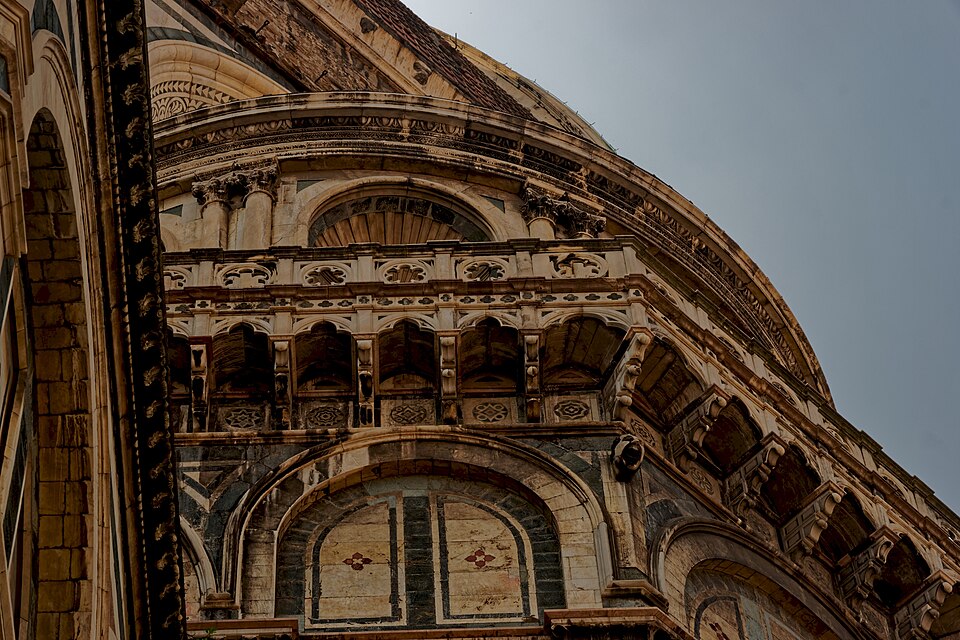
Piazza del Duomo
Brunelleschi’s dome crowns Florence Cathedral and is the largest masonry dome in the world.
Event
Location: Teatro Puccini
Loading map…
Coming for Jacopo Veneziani — Questa non è una pipa? Give yourself time for Florence too. Plan a stay around the event, or add a day or two to a trip you already have in mind.
Choose a few places that appeal to you, whether you stay for the event or make a longer trip of it.
Brunelleschi’s dome crowns Florence Cathedral and is the largest masonry dome in the world.
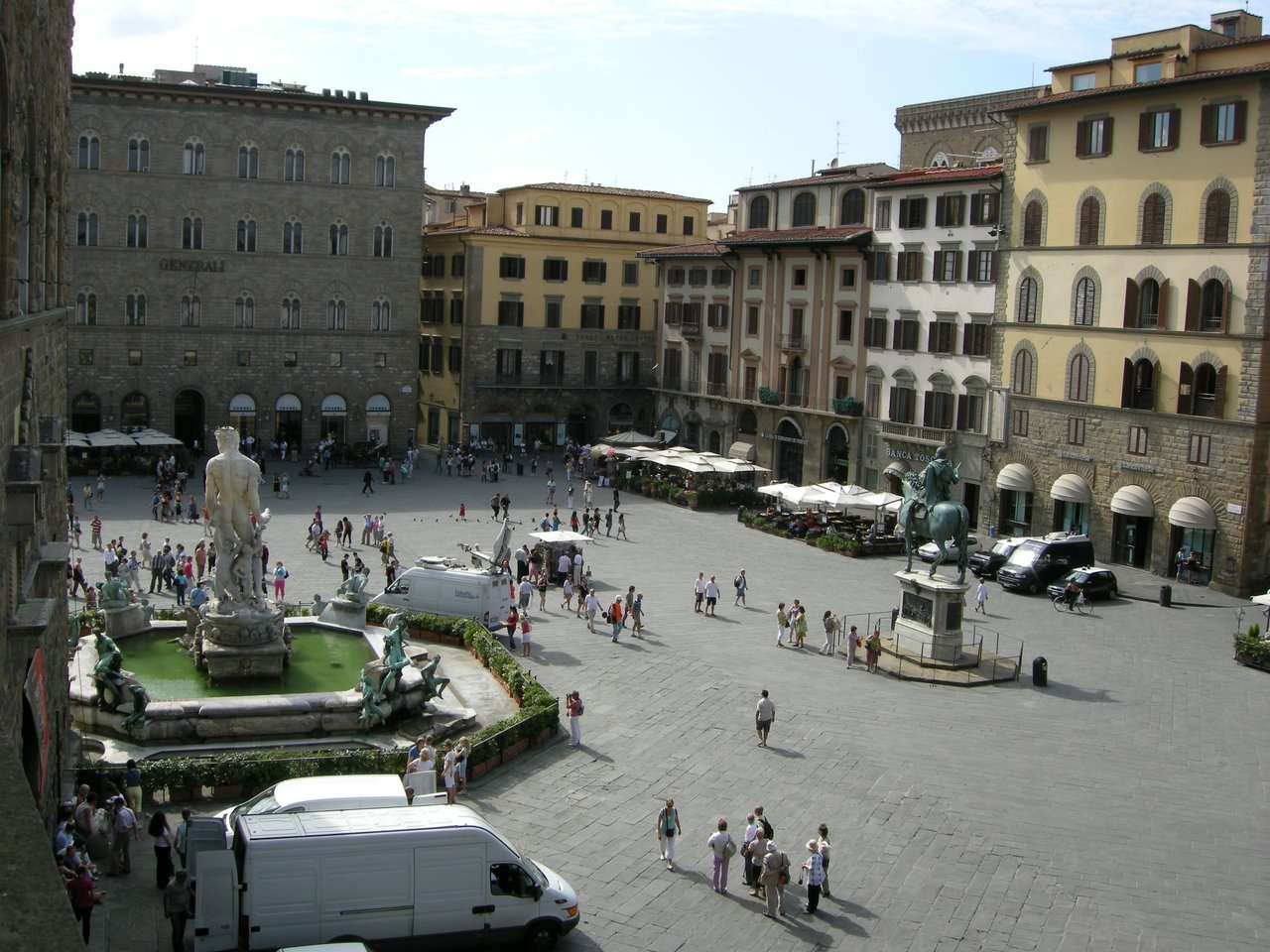
Piazza della Signoria took shape in the thirteenth and fourteenth centuries with the construction of the Palazzo dei Priori, renamed Palazzo Vecchio in the sixteenth century. It immediately became the city’s political centre and a space for civic life. The symbolic building, still home to Florence’s municipal government, offers several museum routes: the monumental apartments, the archaeological area with the remains of the Roman theatre, and the Tower of Arnolfo with its splendid panorama.
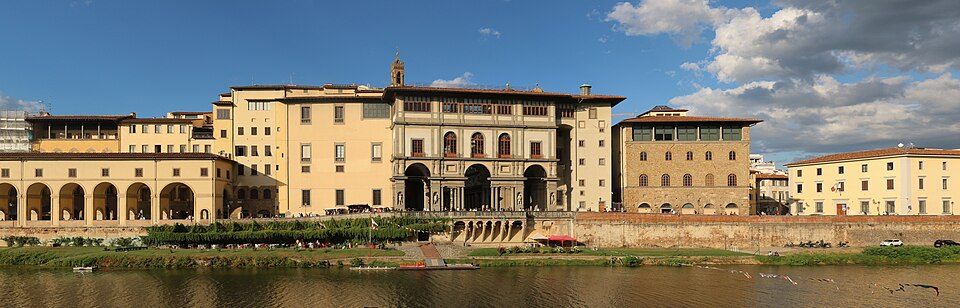
The Uffizi Gallery is one of the world’s most important museums, with an immense artistic heritage. An eighteenth-century reorganisation made it primarily a painting museum, with thousands of works from the thirteenth to eighteenth centuries. Other collections—arms, scientific instruments, archaeological finds and ancient and modern bronzes—were transferred elsewhere to establish new museums.
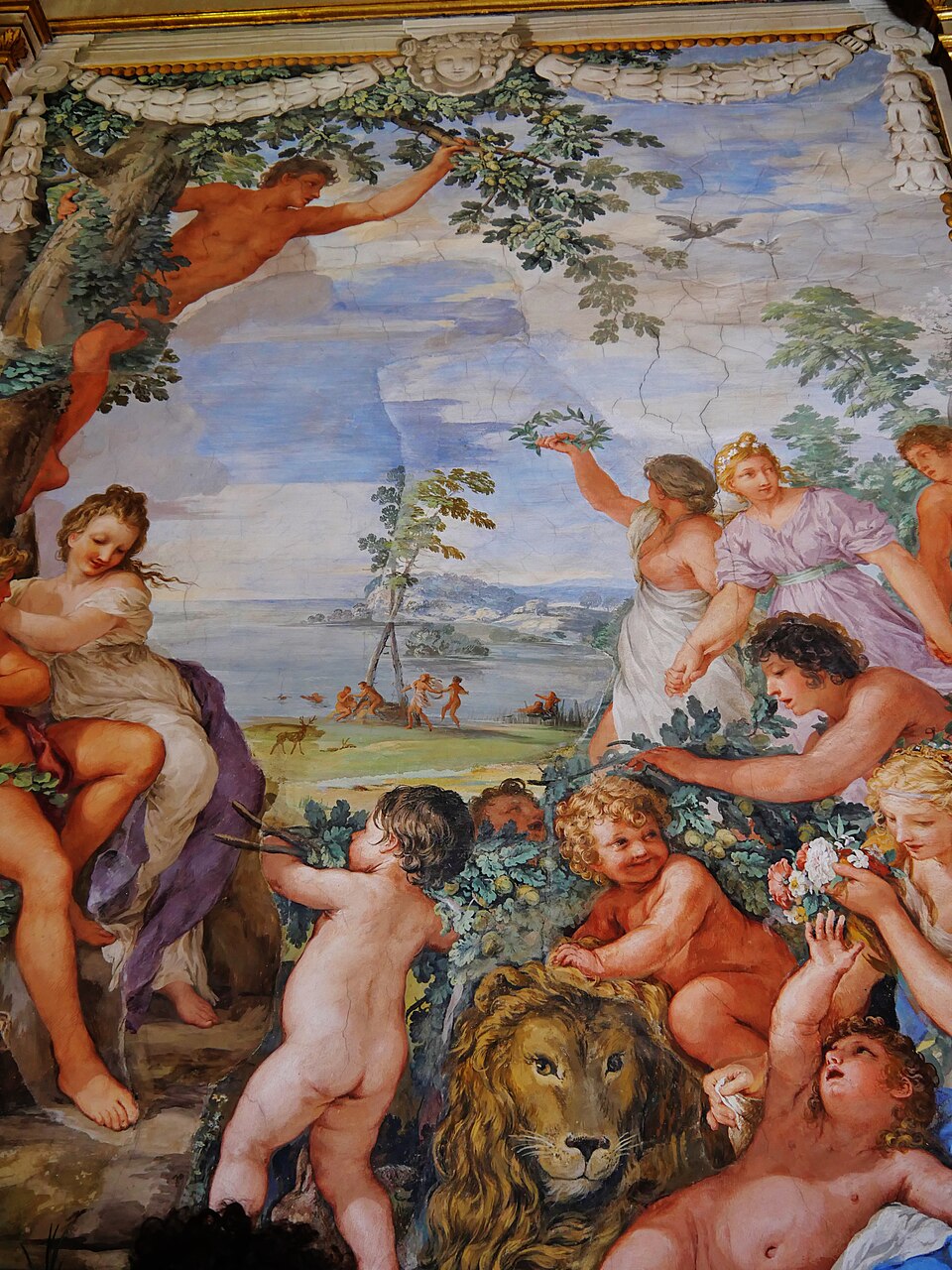
Inside Palazzo Pitti, the grand dukes’ paintings hang in several rows, arranged for decorative effect rather than by period or school.
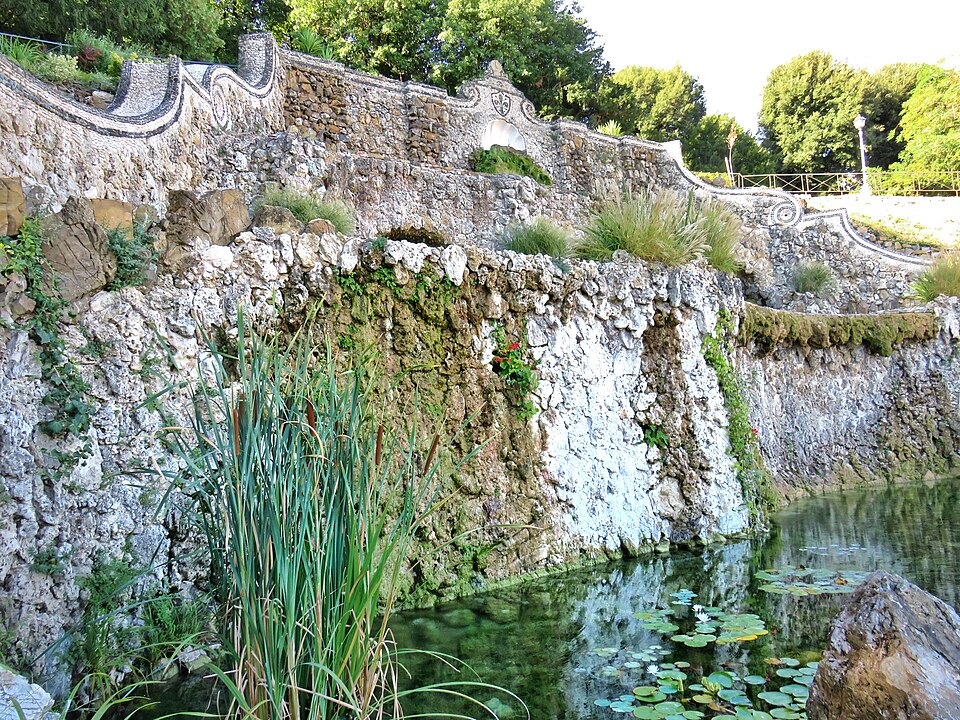
The Rampe formed part of the construction of Viale Michelangelo, climbing from the Arno towards the hillside to reinforce the slope. Giuseppe Poggi created this Neo-Mannerist ensemble as a succession of stairways, grottoes and water features. From above, water passes through the first three grottoes, then flows down through five more before gathering in the large basin at Porta San Niccolò.
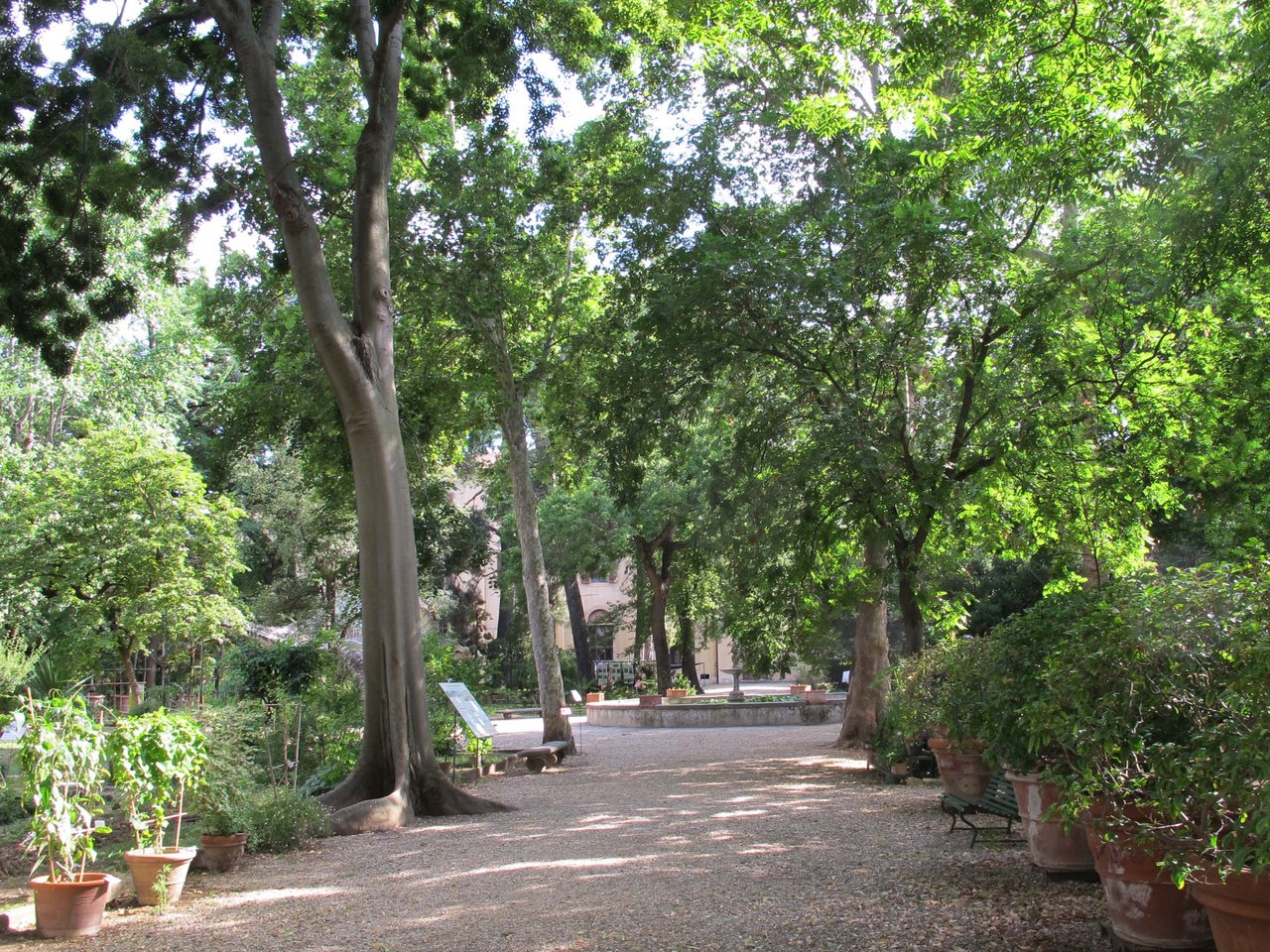
The Garden of Simples was founded in 1545 by Cosimo I de’ Medici as an academic garden for studying plants. Part of the university’s Natural History Museum, it retains the connection between botany and the tradition of medicinal herbs.