Example trip
The perfect two-day tour of Florence and Tuscany
A full Florence day followed by Siena’s squares, cathedral and Santa Maria della Scala, with regional travel kept separate.
Add the places to My trip to shape the itinerary around your dates. For Siena, allow the outward and return journeys on top of the time in town.
Day 1
The Duomo, Uffizi and Santa Croce
Start your day at Piazza del Duomo, which joins Piazza San Giovanni around the cathedral and Baptistery to form the city’s religious centre. Next, visit Piazza della Signoria before a short stroll to Uffizi Gallery. From there, stroll over to Santa Croce Museum. You’ll spend about 15 minutes walking across the day.
Visit notes
You’ll begin in Piazza del Duomo, taking a walk around the cathedral, bell tower and Baptistery before heading to Piazza della Signoria. Then you’ll have around three hours at the Uffizi to spend with the paintings rather than hurry through the galleries. After lunch, walk over to Santa Croce for the basilica, tombs and cloisters. If you’d prefer a quieter afternoon, stay over lunch a little longer and leave Santa Croce for another day.
Times and practical details
Outline for the day
Visits, walking and breaks: 8 hr 15 min
An outline, with travel and lunch. Allowances are rounded up to quarter hours; walks may be shorter.
- From your accommodation to Piazza del Duomo
- Piazza del Duomo45 min
- Walk to Piazza della Signoria15 min
- Piazza della Signoria30 min
- Walk to Uffizi Gallery15 min
- Uffizi Gallery3 hr
- Lunch break1 hr
- Walk to Santa Croce Museum15 min
- Santa Croce Museum1 hr 30 min
- From Santa Croce Museum back to your accommodation
- Time for queues and entry checks
- 45 min
Start outside the cathedral. Walk around the dome, bell tower and Baptistery rather than treating the whole Duomo complex as one short visit. Continue towards Piazza della Signoria for the palace façade and the sculptures of the Loggia dei Lanzi.
Make the Uffizi the main visit, with time to follow the collection rather than rush from painting to painting. Fit lunch after the gallery and walk east to Santa Croce for the basilica, tombs and cloisters. Admission to the museum complex, not just a look across the square, is included in this budget.
For a slower day, finish after the Uffizi and lunch, and leave Santa Croce for another day. A dome climb or the Duomo museum needs its own time and, where required, a booked slot; replace another visit rather than squeeze it in. The Uffizi normally closes on Monday. Exact admission slots, church access and dated exceptions still determine the order.
Day 2
A full day out to Siena
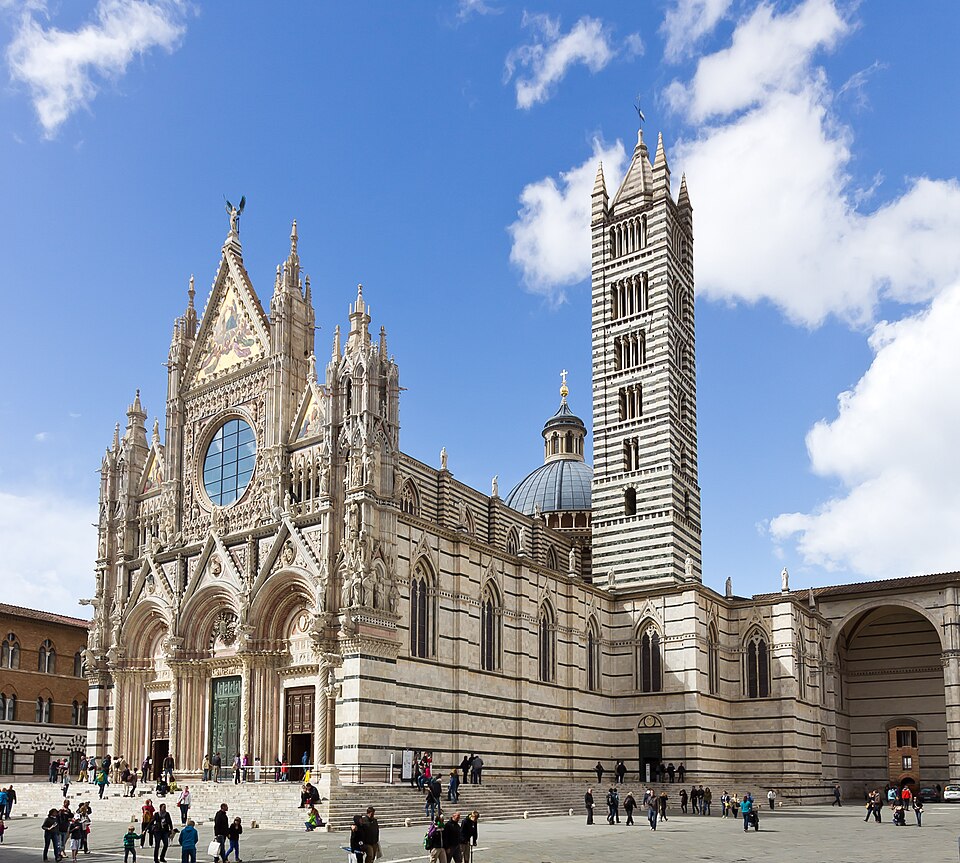
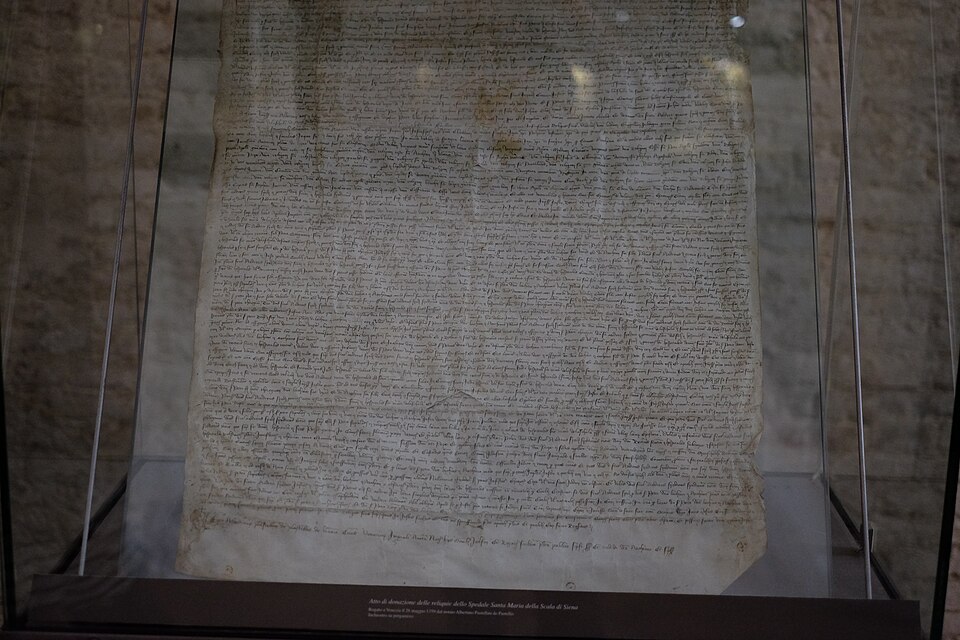
Begin the day at piazza del Campo, with Siena Cathedral a short stroll away. Afterwards, a short walk brings you to Santa Maria della Scala, a former hospital whose hall for male pilgrims dates to 1328. This plan doesn’t yet include travel time between all the stops.
Visit notes
You’ll arrive in Siena and begin in Piazza del Campo, looking at Fonte Gaia and the Palazzo Pubblico before walking up to the Duomo. Spend time inside the cathedral and the Piccolomini Library, then pause for lunch nearby. In the afternoon, you’ll cross to Santa Maria della Scala and explore the former hospital’s museum spaces. If the journey leaves you less time in town, keep the square and cathedral and leave the museum for another visit.
Times and practical details
Outline for the day
Visits, walking and breaks: 6 hr
An outline, with travel and lunch. Allowances are rounded up to quarter hours; walks may be shorter.
- From your accommodation to piazza del Campo
- piazza del Campo45 min
- Walk to Siena Cathedral15 min
- Siena Cathedral1 hr 30 min
- Lunch break1 hr
- Walk to Santa Maria della Scala15 min
- Santa Maria della Scala1 hr 30 min
- From Santa Maria della Scala back to your accommodation
- Walking
- 15 min
- Time for queues and entry checks
- 30 min
Arrive with time to reach the historic centre from the actual bus stop, station or parking place. Begin in Piazza del Campo with the shape of the square, Fonte Gaia and the exterior of Palazzo Pubblico. A Torre del Mangia climb is a separate ticketed visit and is not included in these 45 minutes.
Continue up to the cathedral for the interior and Piccolomini Library. The uncovered floor and extra parts of the cathedral complex depend on your date and ticket; the 90-minute allocation does not mean that the whole complex fits. Lunch and a visit to Santa Maria della Scala give the afternoon a second substantial stop rather than leaving it empty.
If travel leaves less destination time, keep the square and cathedral and leave Santa Maria della Scala for another visit. Allow for hills and the journey back to your boarding point. A practical same-day return still needs departures for your chosen date, transfers and the final connection to your accommodation; there is no confirmed bus or train timetable attached to this example.
Places in this trip
Landmark
Piazza del Duomo
The city’s religious centre consists of the Cathedral and Baptistery complex and the two squares around them, Piazza del Duomo and Piazza San Giovanni. In Roman and early medieval Florence this area lay at the edge of the settlement. From the eleventh century, as the city expanded, it became a focal point. The decisive moment came in the late thirteenth century, when Florence decided to rebuild the Cathedral of Santa Reparata on a larger scale befitting its growing power. Piazza del Duomo, FirenzeLandmark
Piazza della Signoria
Piazza della Signoria took shape in the thirteenth and fourteenth centuries with the construction of the Palazzo dei Priori, renamed Palazzo Vecchio in the sixteenth century. It immediately became the city’s political centre and a space for civic life. The symbolic building, still home to Florence’s municipal government, offers several museum routes: the monumental apartments, the archaeological area with the remains of the Roman theatre, and the Tower of Arnolfo with its splendid panorama. Piazza della Signoria, Firenze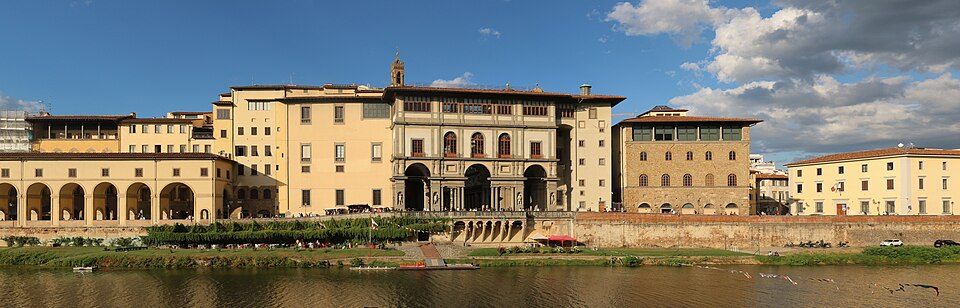
Landmark · Museum
Uffizi Gallery
The Uffizi Gallery is one of the world’s most important museums, with an immense artistic heritage. An eighteenth-century reorganisation made it primarily a painting museum, with thousands of works from the thirteenth to eighteenth centuries. Other collections—arms, scientific instruments, archaeological finds and ancient and modern bronzes—were transferred elsewhere to establish new museums. Piazzale degli Uffizi, 50122 Firenze FI, Italia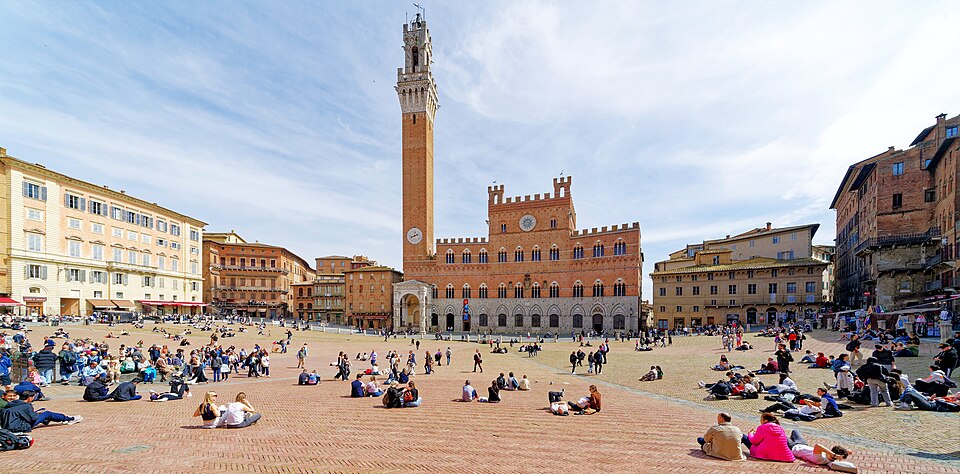
These are starting ideas. Visit lengths, opening times, tickets and travel still need to fit your dates and needs.
More trip ideas