Example trip
The perfect two-day tour of Florence
An art-filled first day, then the Palatina, natural history and a slower route through Oltrarno to the city view.
Add the places to My trip to shape the itinerary around your dates.
Day 1
The Duomo, Uffizi and Santa Croce
Your day begins at Piazza del Duomo, which joins Piazza San Giovanni around the cathedral and Baptistery to form the city’s religious centre. From Piazza della Signoria, a short walk brings you to Uffizi Gallery. A short stroll takes you to Santa Croce Museum. You’ll spend about 15 minutes walking across the day.
Visit notes
You’ll begin in Piazza del Duomo, taking a walk around the cathedral, bell tower and Baptistery before heading to Piazza della Signoria. Then you’ll have around three hours at the Uffizi to spend with the paintings rather than hurry through the galleries. After lunch, walk over to Santa Croce for the basilica, tombs and cloisters. If you’d prefer a quieter afternoon, stay over lunch a little longer and leave Santa Croce for another day.
Times and practical details
Outline for the day
Visits, walking and breaks: 8 hr 15 min
An outline, with travel and lunch. Allowances are rounded up to quarter hours; walks may be shorter.
- From your accommodation to Piazza del Duomo
- Piazza del Duomo45 min
- Walk to Piazza della Signoria15 min
- Piazza della Signoria30 min
- Walk to Uffizi Gallery15 min
- Uffizi Gallery3 hr
- Lunch break1 hr
- Walk to Santa Croce Museum15 min
- Santa Croce Museum1 hr 30 min
- From Santa Croce Museum back to your accommodation
- Time for queues and entry checks
- 45 min
Start outside the cathedral. Walk around the dome, bell tower and Baptistery rather than treating the whole Duomo complex as one short visit. Continue towards Piazza della Signoria for the palace façade and the sculptures of the Loggia dei Lanzi.
Make the Uffizi the main visit, with time to follow the collection rather than rush from painting to painting. Fit lunch after the gallery and walk east to Santa Croce for the basilica, tombs and cloisters. Admission to the museum complex, not just a look across the square, is included in this budget.
For a slower day, finish after the Uffizi and lunch, and leave Santa Croce for another day. A dome climb or the Duomo museum needs its own time and, where required, a booked slot; replace another visit rather than squeeze it in. The Uffizi normally closes on Monday. Exact admission slots, church access and dated exceptions still determine the order.
Day 2
Palatina, La Specola and the hilltop view
Begin with a visit to Palatine Gallery, where Medici paintings are surrounded by furnishings, stucco decoration and Baroque ceilings. Visit La Specola, then continue on foot to Santo Spirito Square. Bring the day to a close at Piazzale Michelangelo.
Visit notes
You’ll spend the first part of the day with the paintings in the Palatina at Pitti, then walk over to La Specola for its natural-history collections. There’s time for lunch and a pause in Piazza Santo Spirito before the afternoon walk. Later, you’ll head uphill to Piazzale Michelangelo and take in the view across Florence. For an easier finish, keep the afternoon around Santo Spirito and save the climb for another day.
Times and practical details
Outline for the day
Visits, walking and breaks: 8 hr 30 min
An outline, with travel and lunch. Allowances are rounded up to quarter hours; walks may be shorter.
- From your accommodation to Palatine Gallery and Royal Apartments – Pitti Palace
- Palatine Gallery and Royal Apartments – Pitti Palace2 hr
- Walk to La Specola15 min
- La Specola2 hr
- Lunch break1 hr
- Walk to Santo Spirito Square15 min
- Santo Spirito Square45 min
- Walk to Piazzale Michelangelo30 min
- Piazzale Michelangelo45 min
- From Piazzale Michelangelo back to your accommodation
- Walking
- 15 min
- Time for queues and entry checks
- 45 min
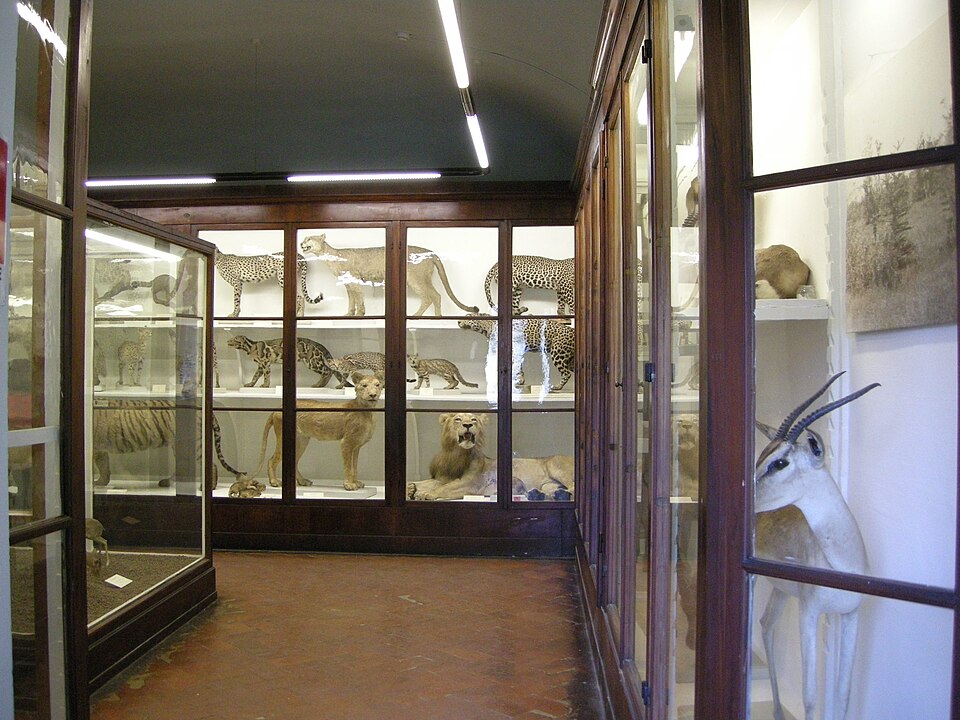
Start at Palazzo Pitti with the Palatina collection, rather than trying to cover every museum in the palace. The picture-filled rooms are the focus; access to particular royal rooms can vary. Continue to La Specola for its ordinary natural-history collections. Anatomical waxes and other guided-only areas are separate visits, not included automatically.
Lunch and a slower stop in Piazza Santo Spirito break up the museum visits. Walk towards Piazzale Michelangelo in the late afternoon for the city view. Allow more time than the direct walking estimate for the ascent, rests and crossing roads; this is not a verified step-free route.
Prefer art and gardens? Replace La Specola with a separately arranged Boboli visit of about 2 hours rather than add a third long visit. For a gentler day, omit the hill and remain in Oltrarno. Pitti normally closes on Monday; La Specola and special rooms have their own access conditions.
Places in this trip
Landmark
Piazza del Duomo
The city’s religious centre consists of the Cathedral and Baptistery complex and the two squares around them, Piazza del Duomo and Piazza San Giovanni. In Roman and early medieval Florence this area lay at the edge of the settlement. From the eleventh century, as the city expanded, it became a focal point. The decisive moment came in the late thirteenth century, when Florence decided to rebuild the Cathedral of Santa Reparata on a larger scale befitting its growing power. Piazza del Duomo, FirenzeLandmark
Piazza della Signoria
Piazza della Signoria took shape in the thirteenth and fourteenth centuries with the construction of the Palazzo dei Priori, renamed Palazzo Vecchio in the sixteenth century. It immediately became the city’s political centre and a space for civic life. The symbolic building, still home to Florence’s municipal government, offers several museum routes: the monumental apartments, the archaeological area with the remains of the Roman theatre, and the Tower of Arnolfo with its splendid panorama. Piazza della Signoria, Firenze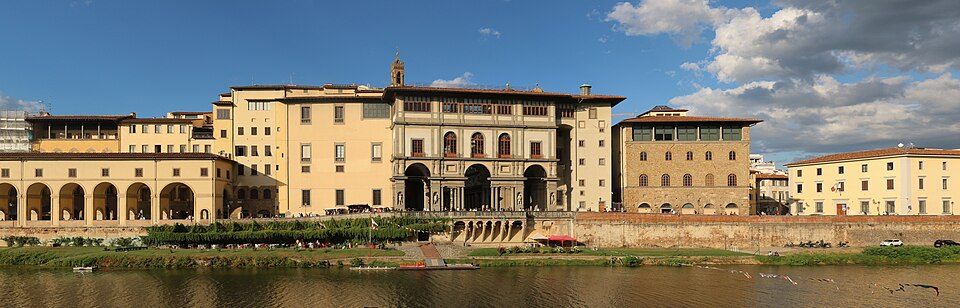
Landmark · Museum
Uffizi Gallery
The Uffizi Gallery is one of the world’s most important museums, with an immense artistic heritage. An eighteenth-century reorganisation made it primarily a painting museum, with thousands of works from the thirteenth to eighteenth centuries. Other collections—arms, scientific instruments, archaeological finds and ancient and modern bronzes—were transferred elsewhere to establish new museums. Piazzale degli Uffizi, 50122 Firenze FI, Italia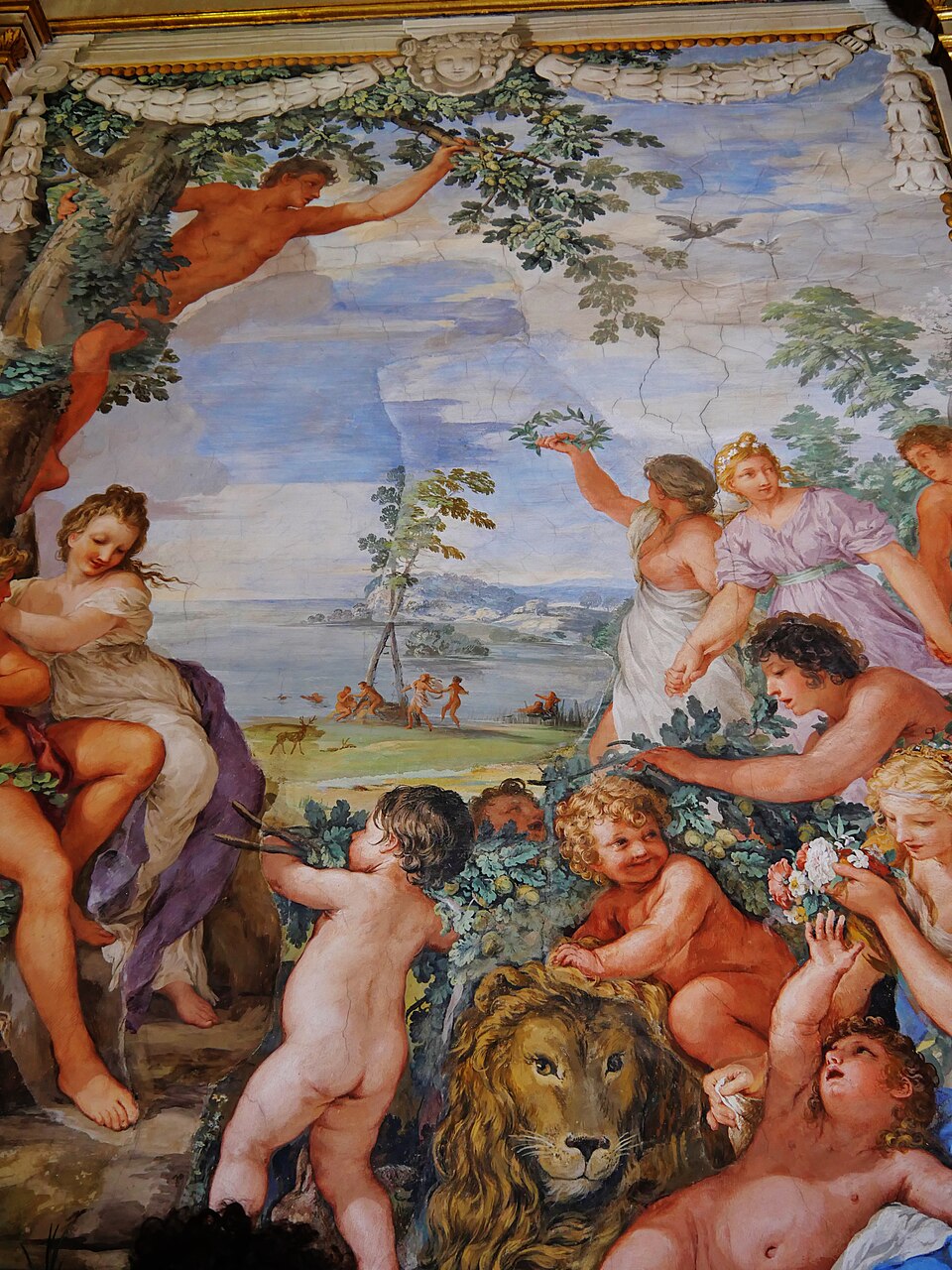
Landmark
Santo Spirito Square
The Augustinian Hermits settled in 1250 in an Oltrarno area enclosed by the 1173 walls, a development of fundamental importance to the district. During the thirteenth century, helped by three new bridges, the Oltrarno expanded greatly around its two principal religious centres, Santo Spirito and the Carmine church. Piazza Santo Spirito, 30/16, 50125 Firenze FI, ItaliaThese are starting ideas. Visit lengths, opening times, tickets and travel still need to fit your dates and needs.
More trip ideas